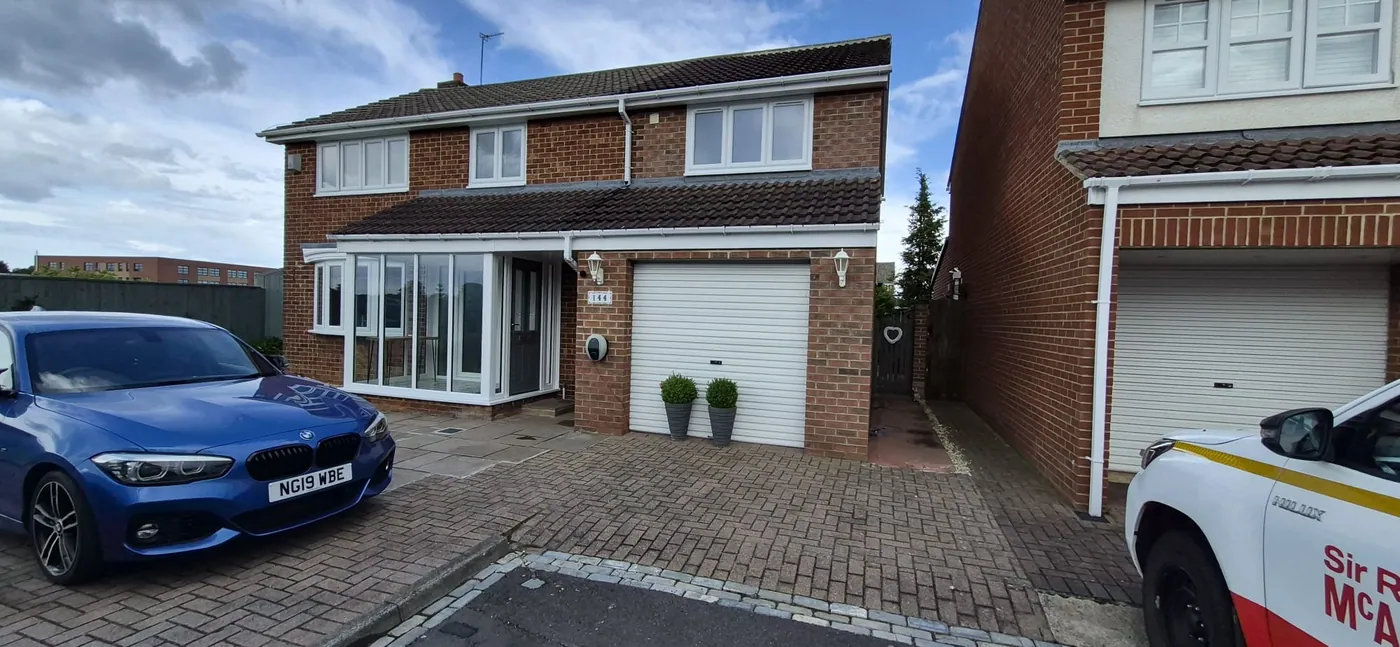
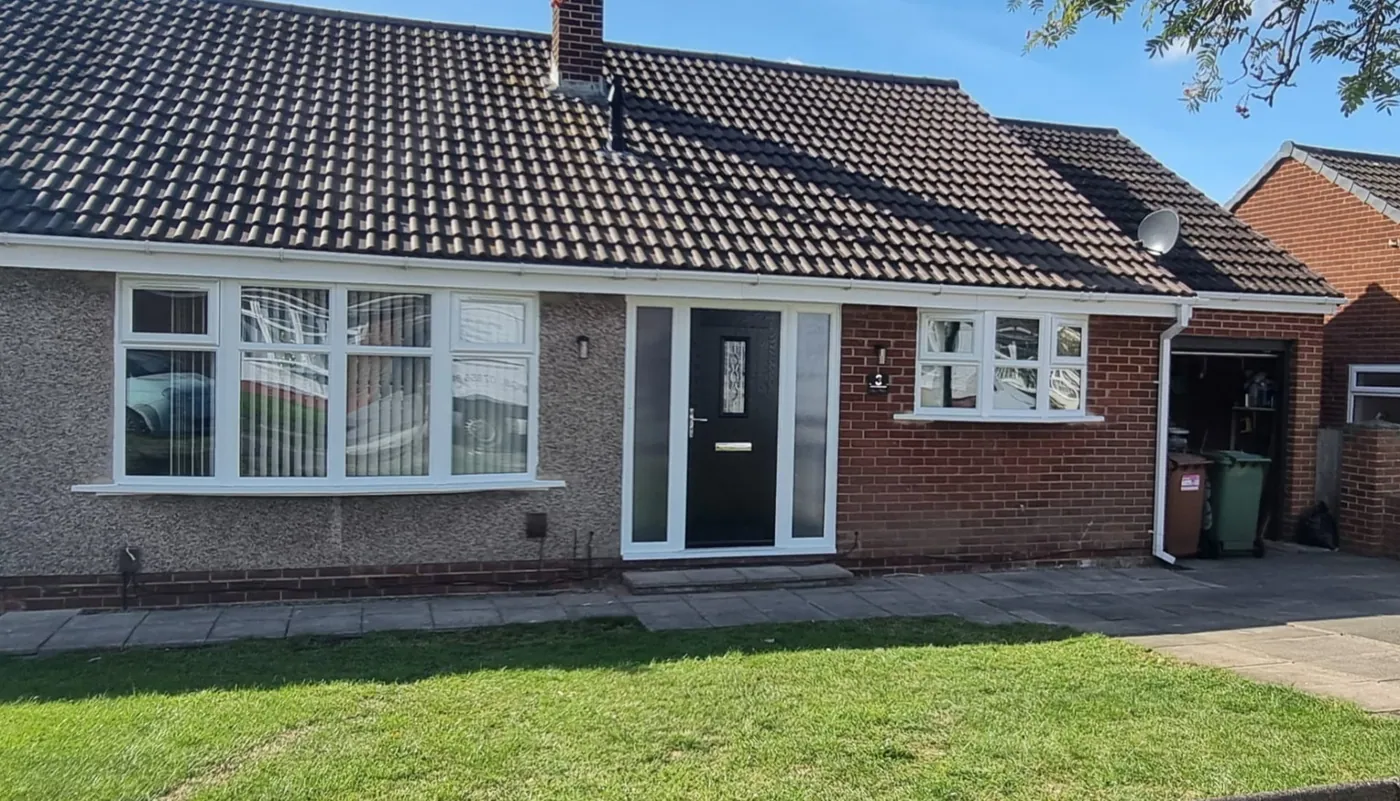
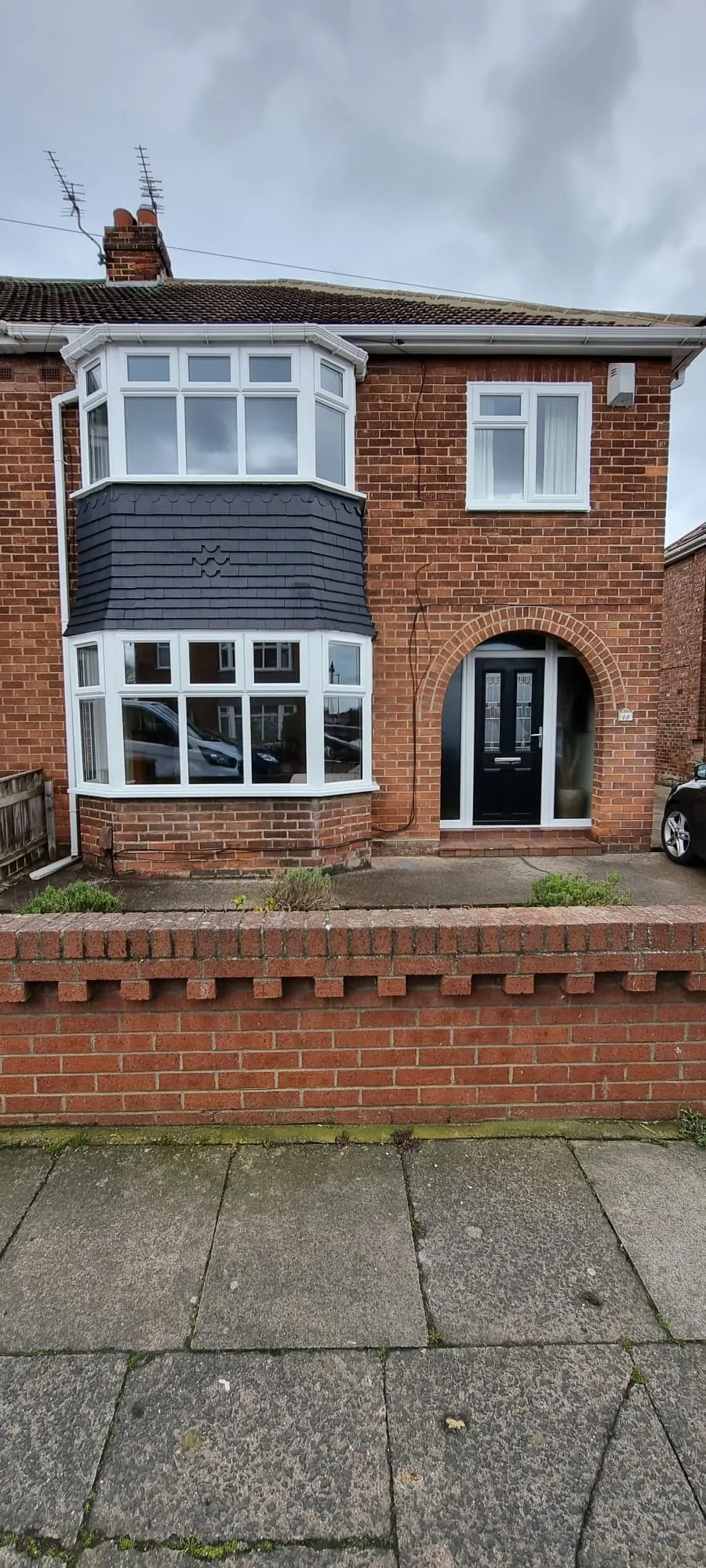
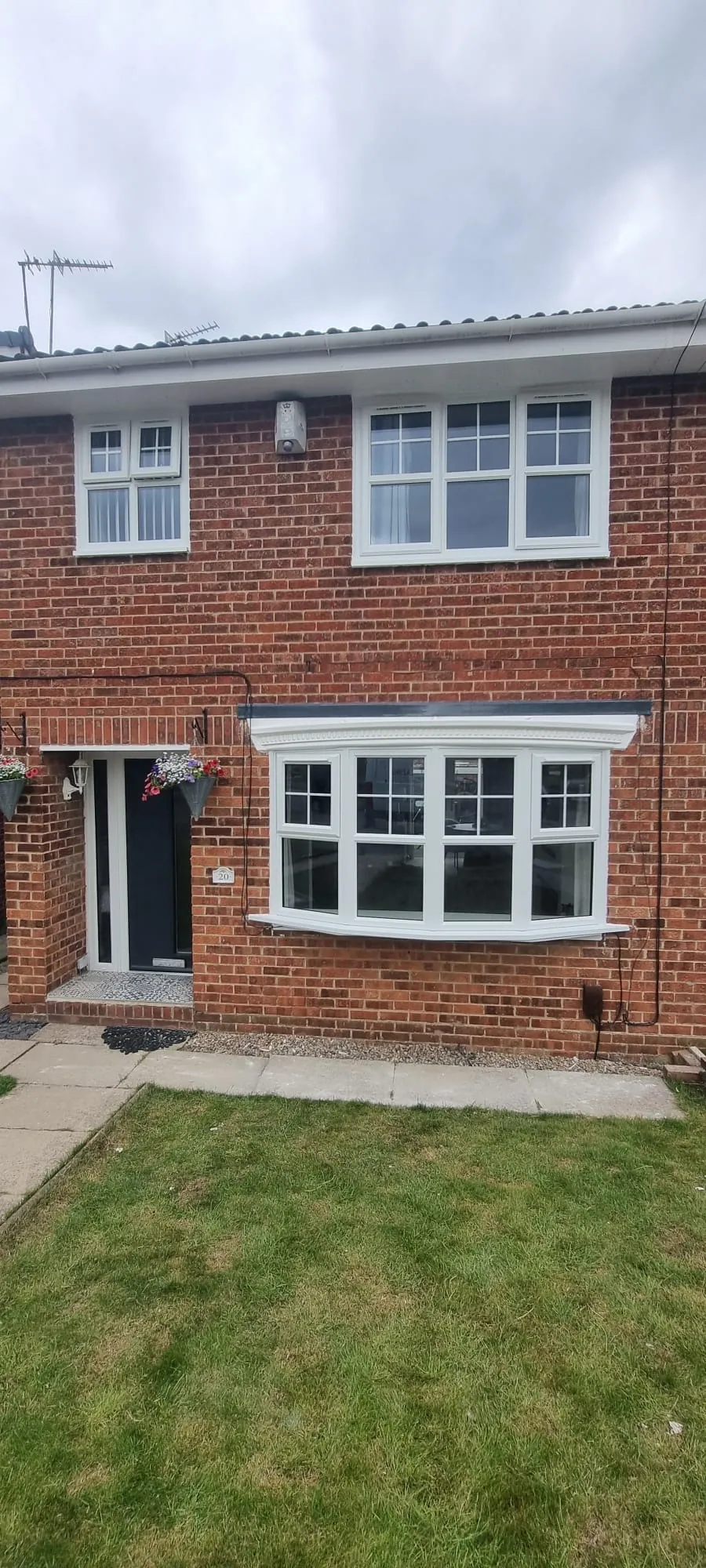
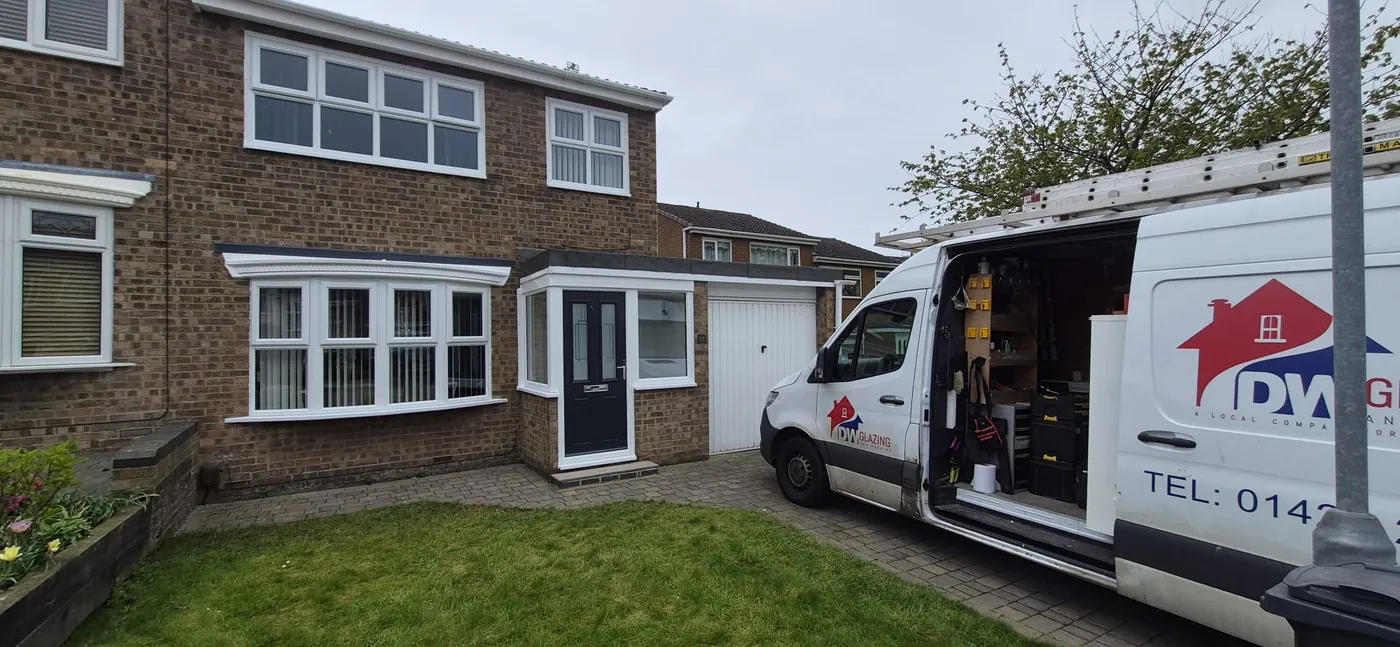
uPVC as a window material
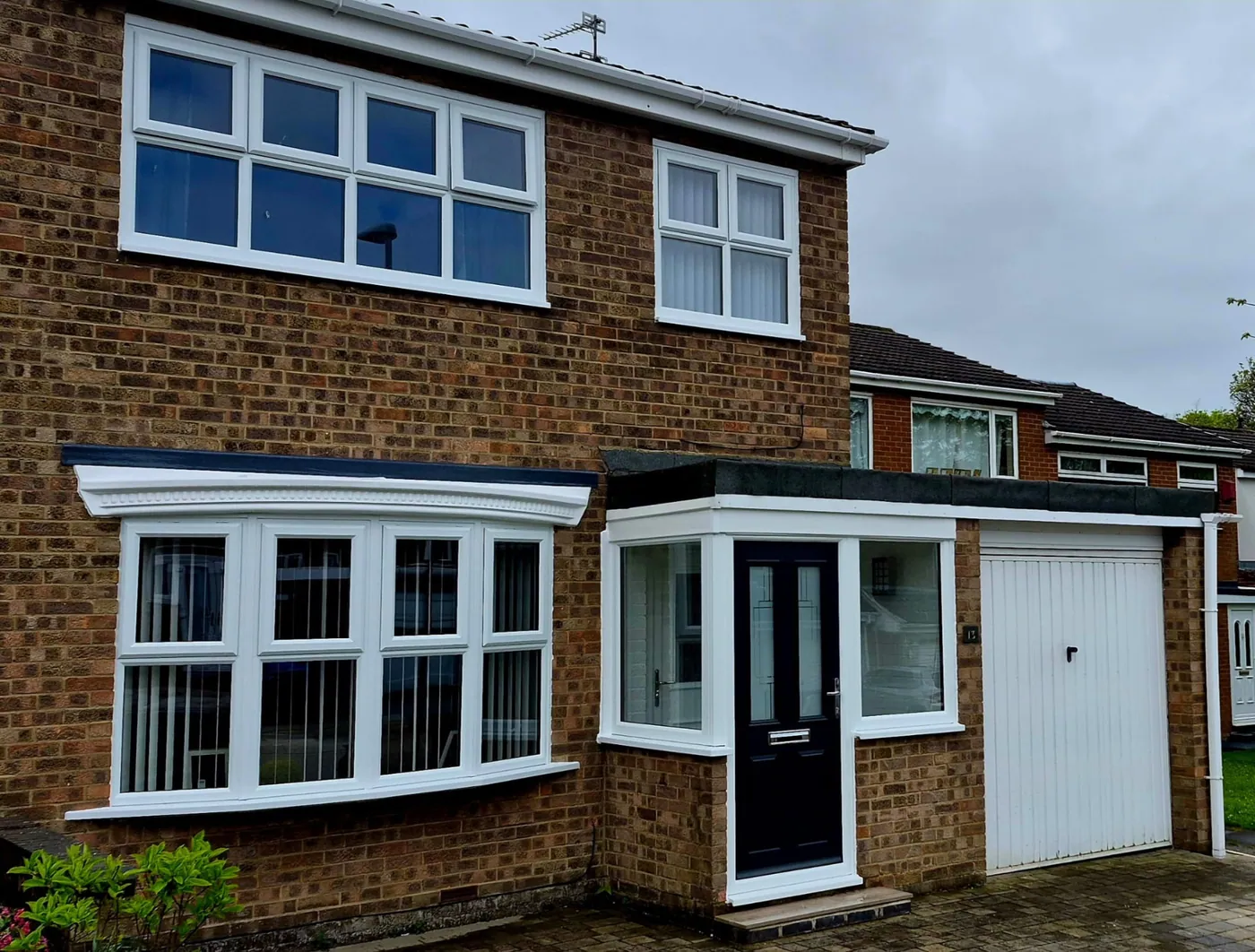
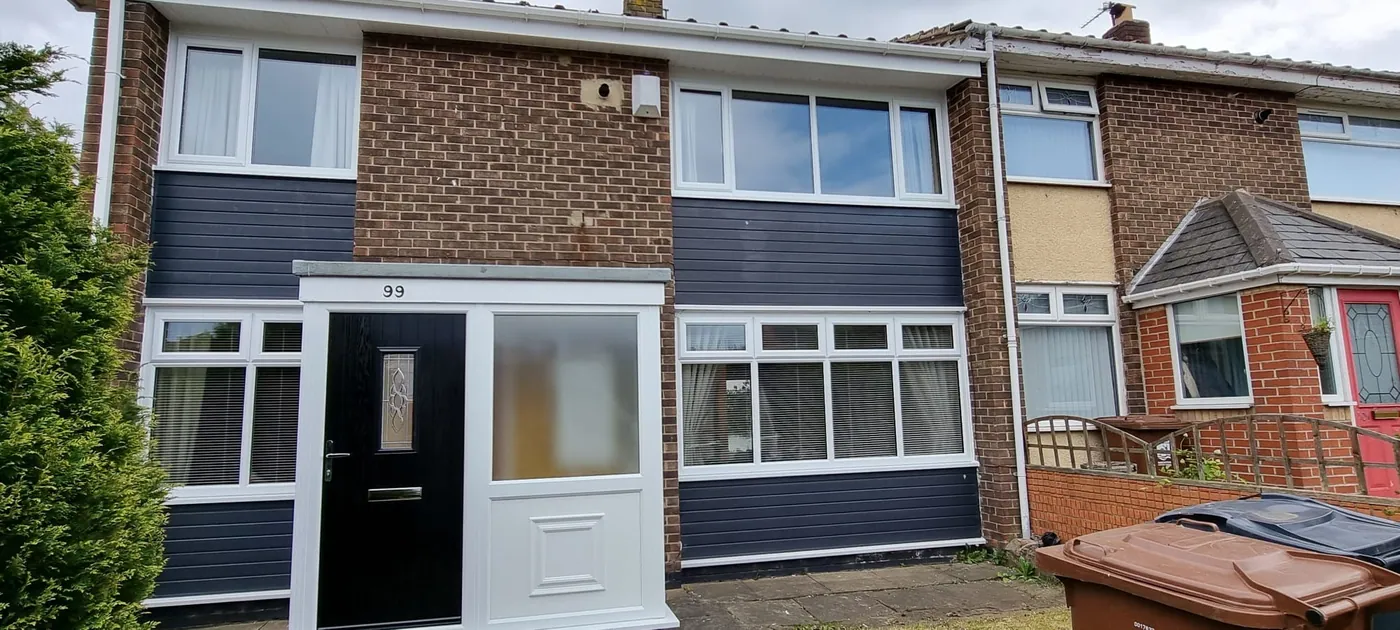
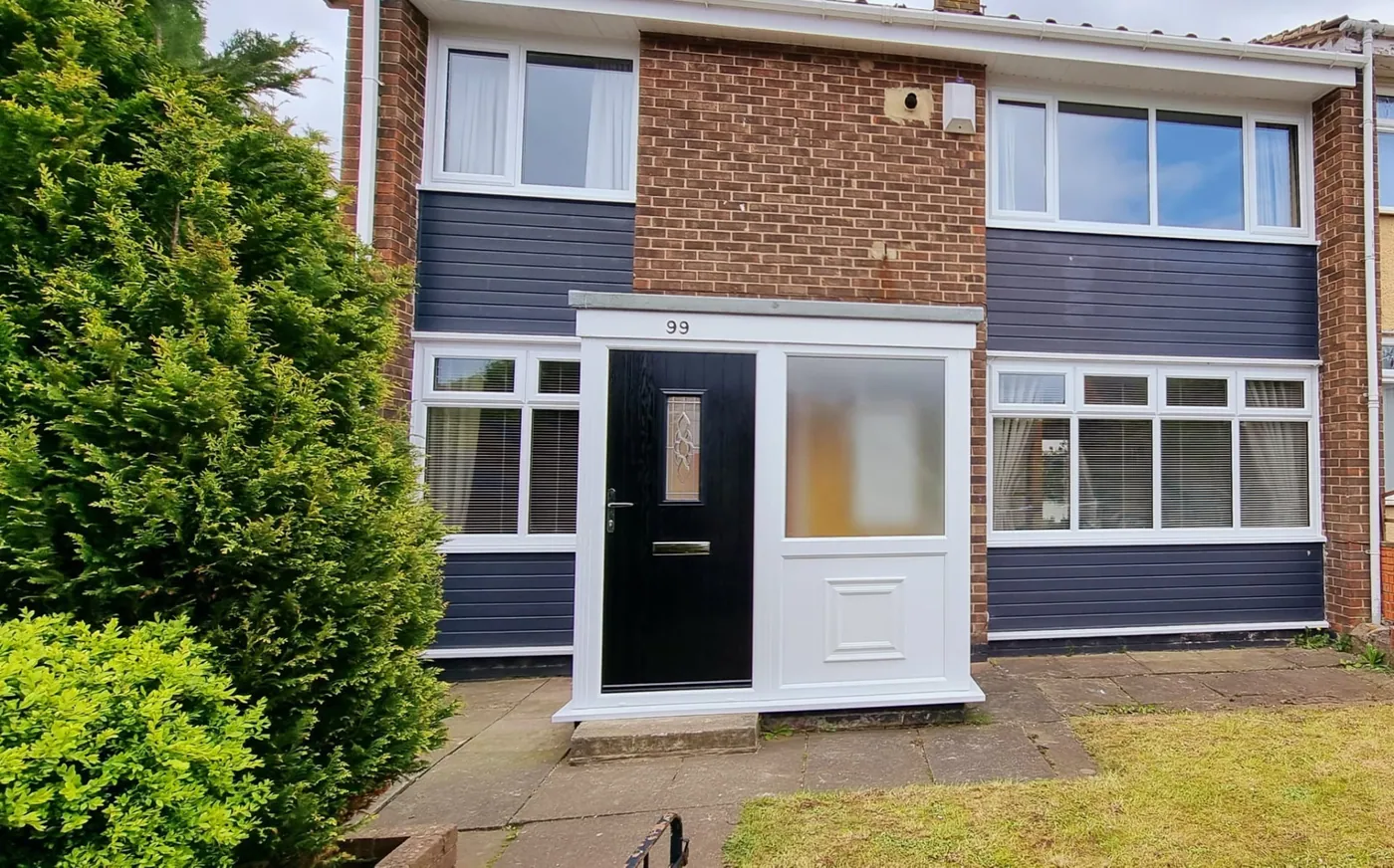
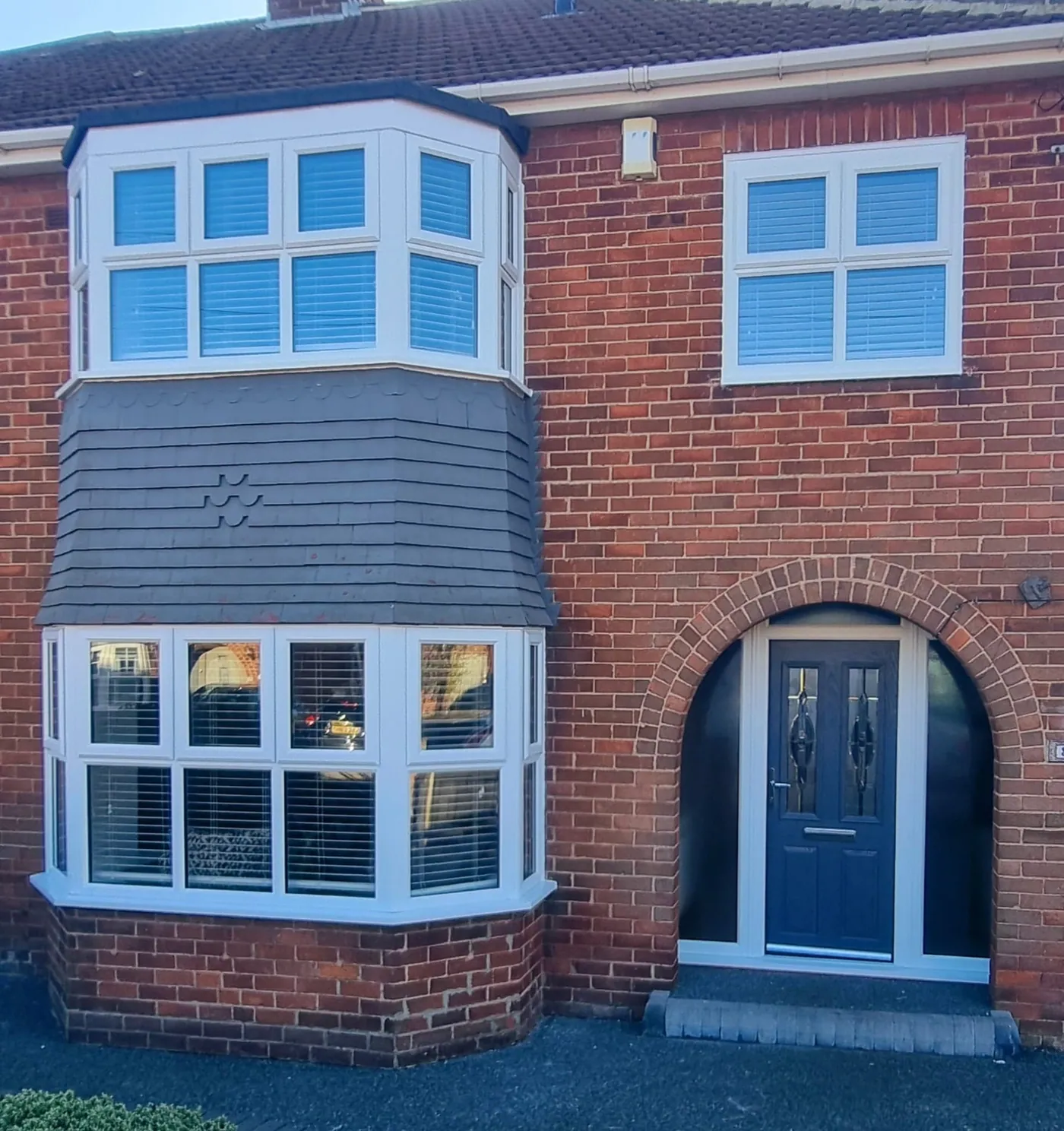
uPVC (unplasticised polyvinyl chloride) is the most common window frame material on UK homes. It is rigid, it does not rot, and it does not need repainting the way timber does. Frames are made from multi-chambered profiles, which helps them hold their shape and adds to their insulating performance.
Because the colour runs through the material or is applied as a finish, uPVC frames keep their appearance with very little maintenance. A periodic clean of the frames and drainage slots and a little lubricant on moving parts is usually all that is needed.
Common window styles
Casement windows are hinged at the side or top and open outwards. They are the most common style on houses across Hartlepool and Teesside and suit most openings.
Tilt and turn windows open inwards in two ways: tilted at the top for ventilation, or swung fully open for cleaning and escape. They are popular for upstairs rooms and flats.
Fixed lights do not open at all and are often combined with opening sashes in a larger frame. The right combination depends on the room, ventilation needs and how you use the space. During the survey we talk through what is sensible for each window.
Double glazing, explained simply
Double glazing uses two panes of glass separated by a sealed gap. The gap slows heat moving through the window and also reduces outside noise. The sealed glass unit sits inside the uPVC frame.
If that seal ever fails, moisture gets into the gap and the glass mists between the panes. That is a glass unit problem, not necessarily a frame problem, and it can often be fixed without replacing the whole window. See our misted glass unit page for more.
How installation affects performance
When an old window comes out, the opening is checked before the new frame goes in. The frame is set level and square, packed so it does not distort, fixed back to the structure and sealed around the outside. Inside, the frame is finished neatly against the wall.
Each of these steps matters. A frame fixed out of square can cause sashes to drag, locks to stop lining up and seals to wear early. Taking care at this stage is what makes the guarantee meaningful rather than a piece of paper.
Replacing one window or a whole house
Some customers replace a single failed window, others do the whole property at once or in stages. Each approach is quoted the same way: free survey, then a fixed price for exactly the windows you want done.
If you are working to a budget, we can help you decide which windows are the priority, for example a rotten bedroom frame or a window that no longer locks, so the most important work happens first.